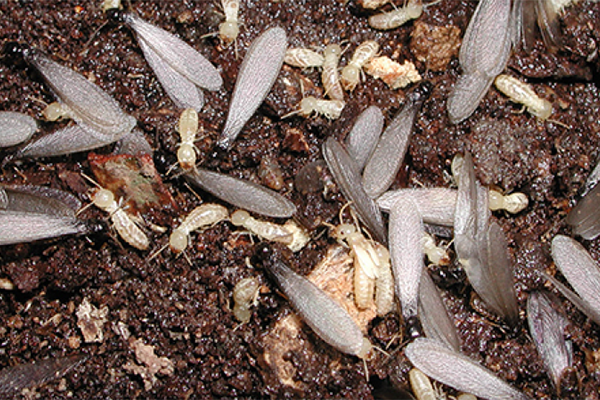
Termites are social insects that live in colonies they are dispersed throughout the soil and can extend underground tunnels to hundreds of feet to reach feeding sites. Each termite colony contains three forms or castes, which are
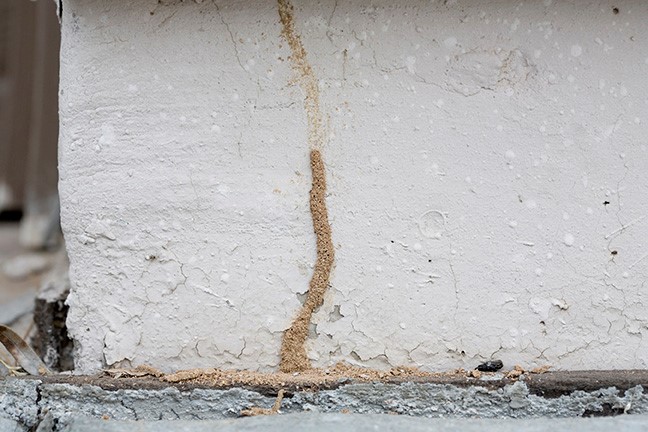
the workers, soldiers, and reproductive. Termites transport soil and water above ground to construct earthen runways (shelter tubes) that allow them to tunnel across exposed areas to reach wood. Shelter tubes protect them from
the drying effects of air and from natural enemies, such as ants. These tubes usually are about 1/4 to 1 inch wide. These termites have the ability to adjust the depth of their colony (nest) in soil depending on temperature
and moisture requirements. The colony may be 18-20 feet deep in the ground.It taks about 4 to 5 years for a colony to reach its maximum size and it may consist of 60,000 to 2, 00,000 workers.Termite Control in building is very
important, as thedamage is likely to be caused by the termites is huge. Termite’s damages cellulose based household articles like Furnishing, Clothes, Stationery, etc. The wide spread damage by termites and high constructional
cost of the building have necessitated evolving suitable measures for preventing access of termites into the building Termites could be controlled by spaying at periodical intervals for continues control. Post Construction
Anti Termite Treatment with guarantee for existing building. Pre Construction Anti Termite Treatment for proposed building site with guarantee.
ABOUT TERMITES
Termites are a constant threat. They can be on your property or thriving in your home without any visible signs of damage. Termites, by their nature, must live underground and stay out of sight, even when feeding on above-ground wood. Damaging homes out of sight may seem smart, but with Sentricon®, you are smarter.
DAMAGE
Termites are discovered in more than 5 million homes on average each year in the United States. Unless you call Alaska home, your house is not safe from termite damage. The National Pest Management Association estimates termite
damage costs U.S. homeowners $5 billion each year. How can they cause so much damage? A subterranean termite colony can include millions of termites, and the worker termites forage for food 24/7. Their food is the wood in your
home: your floors, walls and ceilings. And a termite may only need a 1/16" space to pass through your foundation and reach the wood above.
SWARMING
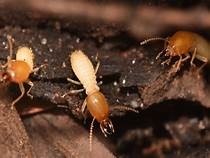
Termites often swarm in warmer weather and after a rain shower to start new colonies. The swarming event can be brief, so even if you do not see flying termites, you are likely to see the discarded wings around window sills, doors, heating vents, bathtubs and sinks after a swarm takes place. Termite swarmers use their wings to move away from their original colony. Their wings break off and they pair up and find locations with a wood source where the male and female can begin a new colony. Whether you see the swarm or think there might have been one, call a professional immediately.
MUD TUBES
Foraging worker termites, the ones that eat wood to feed the rest of the colony, must stay in moist conditions and away from natural enemies like ants. To get across barriers between the soil and the wood above, termites construct small, meandering “mud” tubes from moist soil and excrement. The tubes are about the diameter of a pencil, though they can become wider. Tubes can be seen on foundation walls or inside walls, on plumbing pipes and spanning crawl spaces between the ground and the subfloor. These termite highways are a sure sign termites are or have been in the home.
DAMAGING WOOD
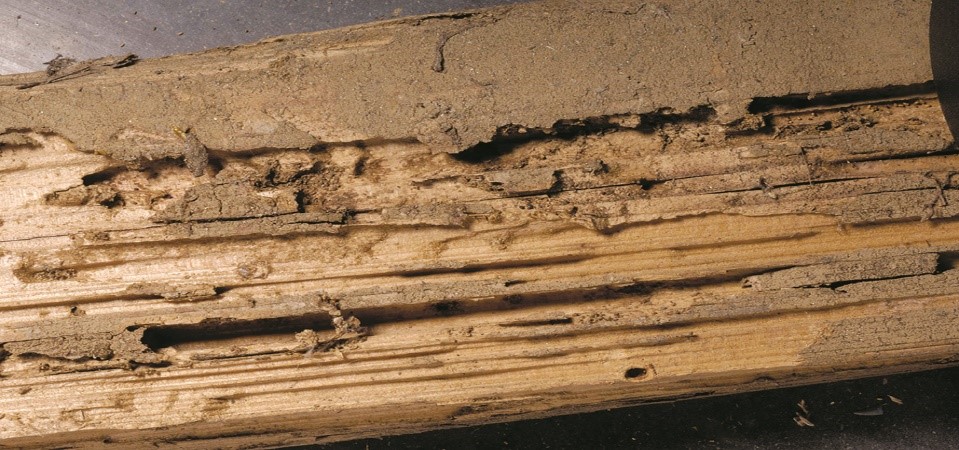
Termites eat wood from the inside out along the grain, so damage often isn’t visible until it becomes significant. Termite inspectors often will tap to listen for hollow-sounding wall studs, baseboards and floors. If the wood gives
way, it may reveal a hollowed-out honeycomb pattern. The wood also will include some “mud” similar to mud tubes, plus live termites. Formosan termites are an especially robust, destructive species with large colonies. Walls
of infested buildings may contain carton nests that hold enough moisture to allow the colony to live entirely above ground, sometimes causing bulging walls.